Developmental Red Flags in Infants 3–12 Months: What's Worth Watching
Between 3 and 12 months, early signs of developmental differences are often visible and actionable — knowing what to watch for, and how to support your baby's sensory and neurological development right now, can make a meaningful difference in outcomes.
In this article
Picture this: your 7-month-old doesn't reach for toys the way your friend's baby does. She startles intensely at ordinary sounds, rarely makes eye contact during feeding, and seems either over-stimulated or oddly under-responsive to your voice. You mention it at the 6-month well visit and hear, "Let's just watch and wait." But your gut says something else.
You're not alone — and your gut may be right.
According to the U.S. Centers for Disease Control and Prevention (CDC), approximately 1 in 6 children in the United States has a developmental disability. Many of the earliest, most actionable signs appear in the infant window — between 3 and 12 months — long before a formal diagnosis is possible or even appropriate. What you do in this window matters enormously.
In this guide, you'll understand:
1. Developmental Red Flags in Infants 3–12 Months: What's Worth Watching
The most important thing to know is that no single milestone miss is a diagnosis — but a pattern of differences, or a strong parental concern, always warrants a conversation with your paediatrician.
The American Academy of Pediatrics (AAP) recommends developmental surveillance at every well-child visit, with formal screening at 9 months specifically targeting motor, language, and social-emotional development.
Red Flags by Age Window
3–6 months: - Does not smile socially or in response to your face - Doesn't follow moving objects with their eyes - Doesn't reach for or bat at objects - Seems unusually stiff or unusually floppy in muscle tone - Doesn't respond to loud sounds
6–9 months: - No babbling (consonant sounds like "ba," "da," "ma") - Doesn't recognise familiar faces - Doesn't bear weight on legs when supported standing - Avoids or shows distress with touch, textures, or movement
9–12 months: - No gestures (pointing, waving, reaching up to be held) - No back-and-forth "conversation" with sounds or facial expressions - Not sitting independently by 9 months - Extreme sensitivity or total indifference to sensory input
2. Sensory Processing Differences in Infancy: Recognising the Signs Early
Sensory processing differences — where the brain has difficulty organising and responding to sensory input — are among the most common features of neurodivergent infants, including those later identified with autism spectrum disorder (ASD), ADHD, or sensory processing disorder (SPD).
The Sensory Processing Disorder Foundation estimates that 1 in 20 children experiences sensory symptoms significant enough to affect daily functioning, and many of these children show signs in infancy.
What Sensory Differences Look Like at This Age
Infants with sensory differences may present in two broad ways — and sometimes both:
Sensory over-responsivity (hypersensitivity):
Sensory under-responsivity (hyposensitivity):


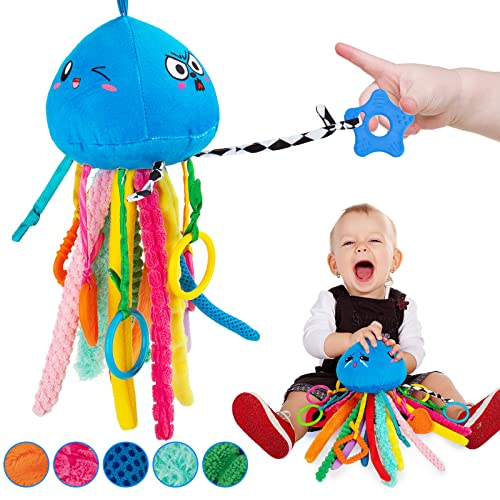
teytoy Sensory Toy, Texture Toys for Babies with Rattle, Autism Sensory Toys Jellyfish Shape Tactile Sensory Toys with 10 Textures, Baby Sensory Toys for 0-3-6-18 Months Soft Baby Toys with Teethers
- [Infant Sensory Toys] Our sensory toy is very soft and cute, featuring brightly colored jellyfish designs that
- [Baby Teething Toys] Baby sensory toys have 4 teethers in total, suitable for babies during teething period. B
- [Improve Fine Motor Skills] For babies, exercising fine motor skills and hand dexterity can promote brain deve
3. Early Intervention: Why the Infant Window Is the Most Powerful Time to Act
Early intervention (EI) refers to therapy services — speech-language, occupational, physical, and developmental therapy — provided to children from birth through age 3. In the United States, these services are guaranteed under the Individuals with Disabilities Education Act (IDEA), Part C, and are available regardless of diagnosis.
The brain is most plastic — most changeable — in the first three years of life. Early intervention capitalises on this plasticity to build neural pathways that become the foundation for communication, movement, and learning.
— National Institute of Child Health and Human Development (NICHD) (2022)
How to Access Early Intervention
You do not need a diagnosis to qualify. You need a developmental concern.
1. Ask your paediatrician for an EI referral — or contact your state's EI program directly (in the US, find your state's program at the CDC's "Learn the Signs. Act Early." portal) 2. Request a free evaluation — EI teams assess your baby across all developmental domains 3. Develop an Individualized Family Service Plan (IFSP) — this document outlines your baby's goals and the services they'll receive 4. Services begin in your home or community — EI is designed to fit into your family's daily routines
4. Supporting Language and Social Development in Neurodivergent Infants
Language and social communication are often the earliest areas where neurodivergent infants diverge from typical developmental trajectories. The good news: the strategies that support language development in all infants are especially powerful for babies who are showing early differences.
Evidence-Based Strategies You Can Use Today
Follow your baby's lead (joint attention): Rather than directing play, watch what your baby looks at or reaches for, then talk about that thing. This is the foundation of joint attention — a critical precursor to language.
Narrate everything: Running commentary during diaper changes, feeding, and bath time ("Now I'm putting your left arm in the sleeve — there it goes!") builds vocabulary and social connection simultaneously.
Pause and wait: After you speak or make a sound, pause for 5–10 seconds and look at your baby expectantly. This "serve and return" structure, described by Harvard's Center on the Developing Child, is one of the most powerful tools for building communication circuits.
Use simple, repetitive language: Short phrases, repeated consistently, are easier for a developing brain to process and store.

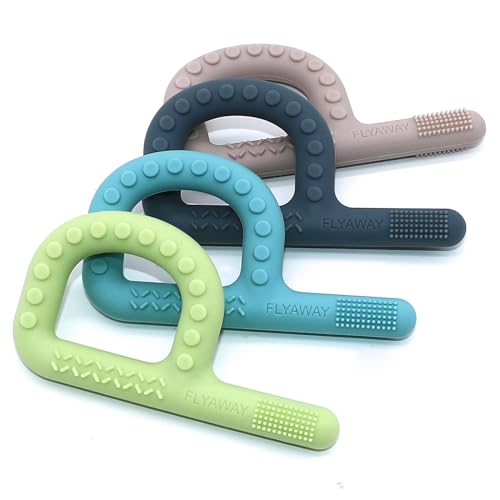


Sensory Toys for Kids Babies Toddlers 4 Pack, P Shape Baby Teething Toys for 3-6 6-12 Months Oral Motor Stimulation, Sensory Chew Toys for Autistic Children, Silicone Chewy Necklaces for Kids Adults
- ★ Perfect Size To Hold -Our hand-held sensory toys for toddlers 1-3 are very easy to hold. Your children can h
- ★ Practical Sensory Surface -The baby teething toys 6-12 months teething ring have three types of unique textu
- ★ Safe & Healthy Material -Our original autism chew toys sensory are made of 100% food grade safe silicone mat
5. Sensory Play at Home: Building a Supportive Environment for Your Infant
You don't need a therapy gym to support your neurodivergent infant's sensory development. Intentional, structured sensory play at home — for as little as 10–15 minutes a day — can meaningfully support regulation, motor development, and neural integration.
Building Your Home Sensory Toolkit
The goal is to offer a range of sensory experiences across multiple systems: tactile (touch), vestibular (movement and balance), proprioceptive (body awareness), auditory, and visual.
Tactile play: Introduce varied textures through safe, age-appropriate toys. The teytoy Sensory Texture Ball Set gives babies 10 different textured surfaces to explore, supporting tactile discrimination — the brain's ability to distinguish between different types of touch.
Vestibular and proprioceptive input: Gentle rocking, bouncing on your knee, tummy time over a rolled towel, and supported sitting all provide the movement input neurodivergent infants often need.
Floor-based sensory exploration: Textured floor mats let babies experience different sensations through their hands and feet during tummy time and early crawling. The Inbeby Sensory Mini Mats Set includes 16 different textures and is machine-washable — practical for daily use.

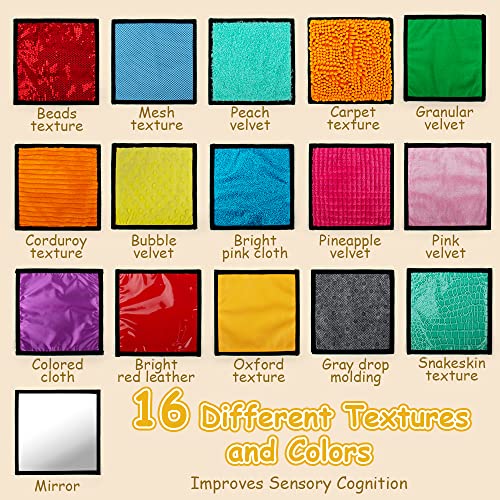
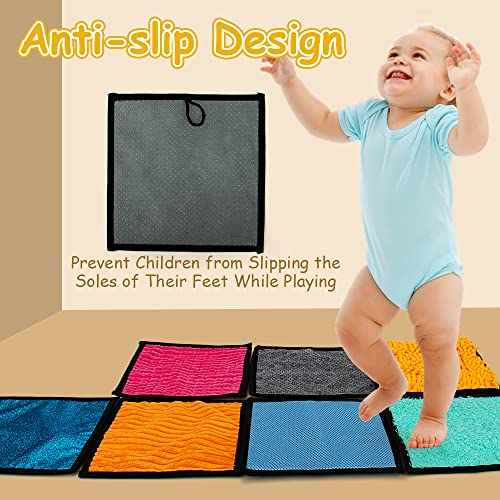

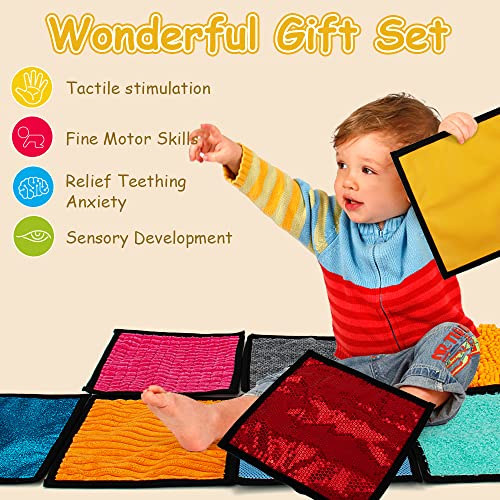
16 Set Sensory Mini Mats Assorted Textured Sensory Floor Tiles - Sensory Walls, Early Sensory Exercise Sensory Mats Sensory Toys for Autistic Children Kids Baby Toddler Fidgeting Activity
- 16 Different Sensory Mats: This sensory toys for autistic children contains 16 sensory mats of different color
- Relax and Claming Toys: Our sensory toys for autistic children can help your child manage anxiety, stay focuse
- Soft and Skin-Friendly: The sensory mat is made of high-quality materials, soft and skin-friendly, your child
6. Advocating for Your Infant in Medical Settings
Parents of neurodivergent infants often describe feeling dismissed, told to "wait and see," or made to feel anxious for raising concerns. Understanding how to advocate effectively is a skill — and it's one you can develop.
Practical Advocacy Strategies
Document specifically, not generally: Instead of "she seems behind," say "at 8 months she is not babbling, not pointing, and does not wave bye-bye. I have a video."
Know your screening rights: In the US, the AAP recommends autism-specific screening at 18 and 24 months, but developmental screening should happen at 9, 18, and 24–30 months. You can request a screening at any visit.
Ask for referrals, not reassurance: "I'd like a referral to a developmental paediatrician" is a complete sentence. You don't need permission to ask.
Keep a developmental log: Note milestones reached, missed, or lost (regression is always a red flag). Dates and specifics matter.
Bring a second adult: A partner, grandparent, or trusted friend can help you remember what was said and advocate alongside you.
7. Sensory Tool Comparison: Choosing the Right Sensory Toy for Your Infant's Needs
Not all sensory toys are created equal. Here's a practical comparison of the main types of sensory support tools available for infants 3–12 months, mapped to specific needs.
| Sensory Tool Type | Best Age Range | Primary Sensory Benefit | Best For | Recommended Product | Price Range |
|---|---|---|---|---|---|
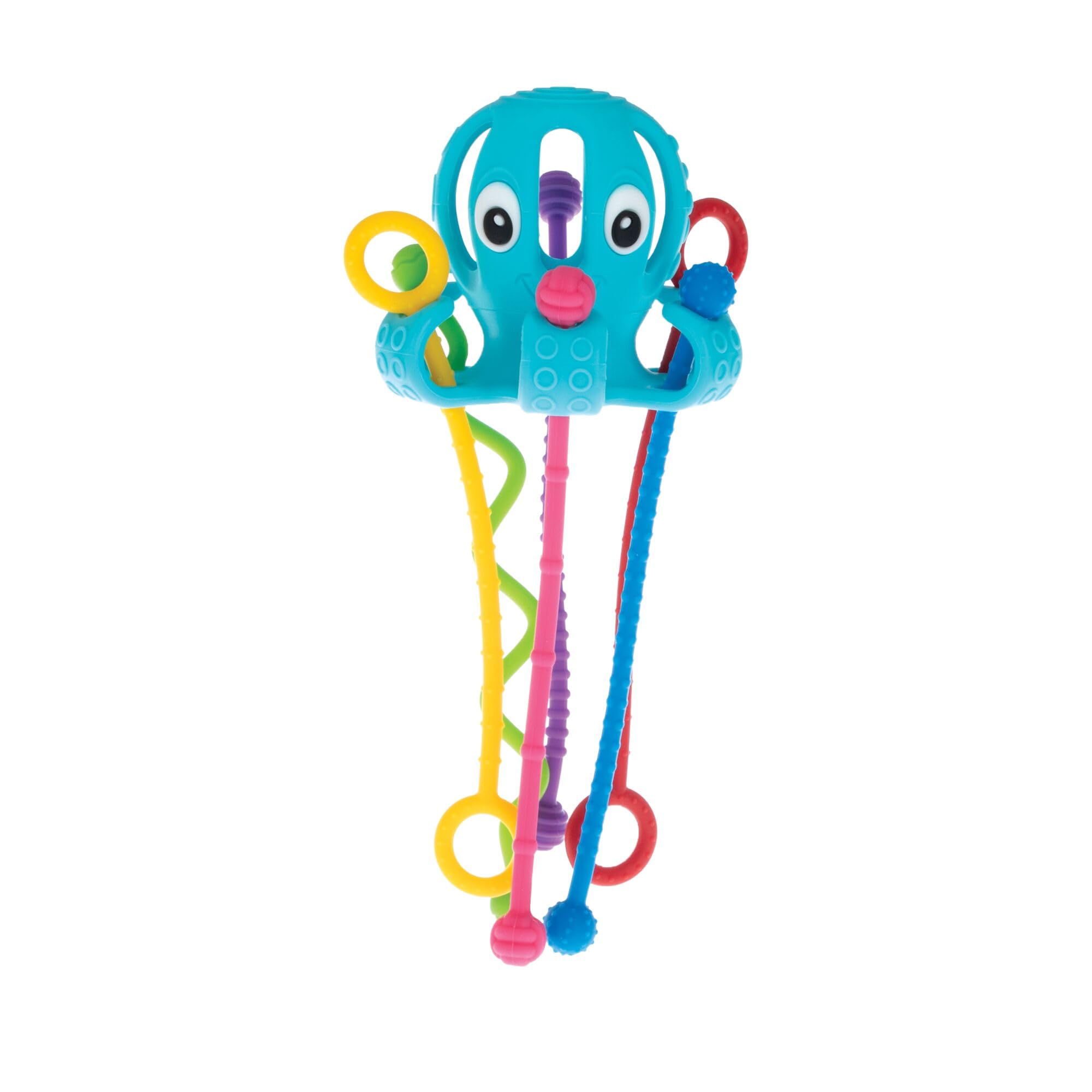
| Multi-texture soft toy | 0–12 months | Tactile discrimination, auditory (bells) | Sensory exploration, teething, fine motor | teytoy Sensory Jellyfish Toy | ~$16 |
| Textured sensory balls | 6–12 months | Tactile input, grasping, proprioceptive | Babies who seek hand-based sensory input | teytoy Sensory Texture Ball Set | ~$18 |
| Sensory floor mats | 4–12 months | Tactile (feet/hands), tummy time support | Babies with tactile sensitivity or low tone | Inbeby Sensory Mini Mats Set | ~$33 |
| Silicone chew toys | 3–12 months | Oral motor, proprioceptive via jaw | Oral-seeking babies, teething, SPD | Flyaway Sensory Chew Toys | ~$8 |
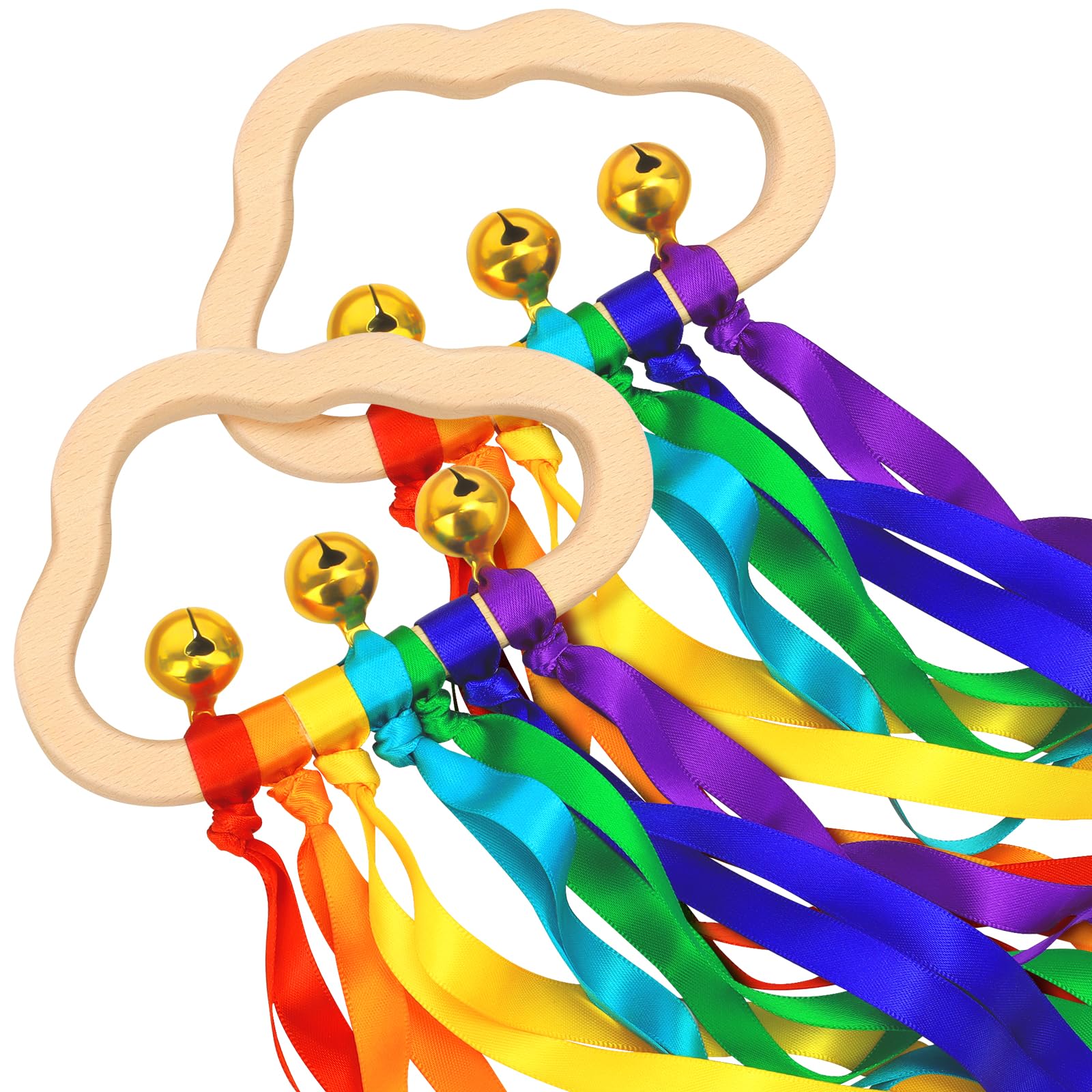
| Montessori sensory ring toy | 0–12 months | Visual, tactile, fine motor, auditory | All-round early development, gifting | TOHIBEE Montessori Sensory Toy | ~$10 |
| Squishy fidget shapes | 6–12 months+ | Tactile, proprioceptive, calming | Sensory-seeking or anxious babies | ZaxiDeel Squishy Sensory Fidget Toys | ~$10 |


Baby Montessori Sensory Toys for 0-6 6-12 Months, Baby Teether Teething Toys for Babies 0 3 6 9 12 18 Months, Newborn Infant Learning Developmental Toys Gifts for 1 2 Year Old Boys Girls
- Multi-Sensory Baby Toy: This baby sensory toy uses 12 kinds of bright colors and textured silicone balls to st
- Silicone Baby Teether: This baby teether is made of high quality soft silicone and ABS plastic, which helps re
- Developmental Montessori Toys: Babies will be instantly drawn to this colorful and lightweight infant toy. Imp
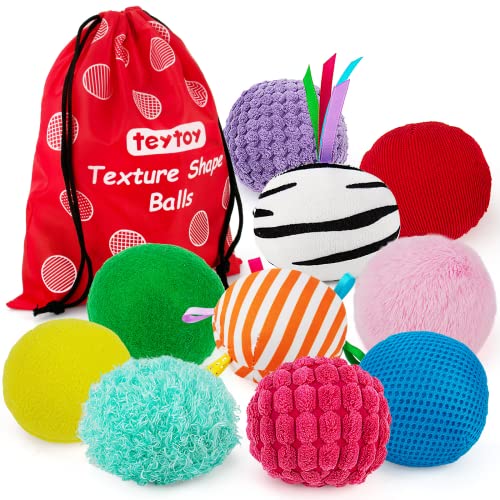

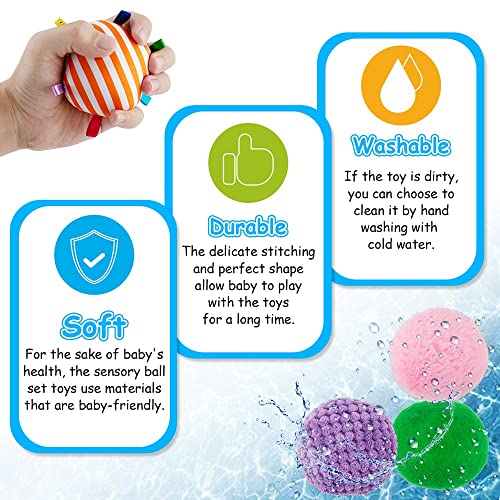
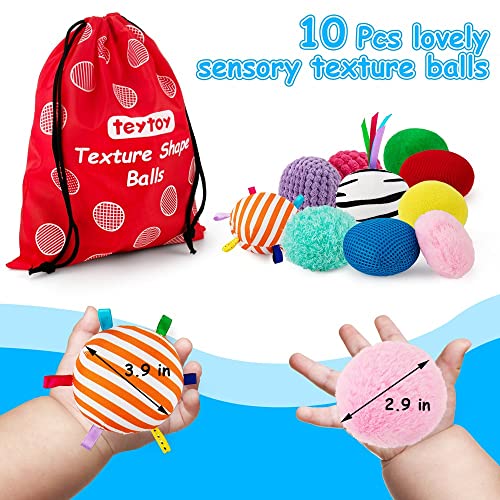
Baby Sensory Texture Ball Toy Set,10Pcs Montessori Toys for Babies 6-12 Months,Develop Fine Motor & Sensory Play for Newborns’ Early Learning,Fidget Stress Toys for Autism/Anxiety Relief.
- [Wonderful Sensory Toy for Babies]:teytoy sensory ball set is made of 10 different textured sensory fabrics. E
- [Fidget Stress Toys for Stress Relief]:The tiny sensory ball is also a great fidget toy for stress relief, per
- [Fabulous travel toy]:teytoy textured sensory balls come with an easy-to-organize drawstring pocket, making th
Expert Insights
Sensory integration is not a luxury — it is a foundational neurological process. When we support an infant's sensory system early, we are literally helping to wire the brain for attention, regulation, and learning.|Dr. Lucy Jane Miller|Founder, STAR Institute for Sensory Processing; author of "Sensational Kids"
How do I get early intervention services if my baby doesn't have a diagnosis?|In the US, under IDEA Part C, you do not need a diagnosis — only a developmental delay or a condition that puts your child at risk. Contact your state's early intervention program directly (search "[your state] early intervention program") or ask your paediatrician for a referral. Evaluation is free and must happen within 45 days of your request.
Conclusion
The infant window — those busy, exhausting, tender months between 3 and 12 — is also one of the most neurologically significant periods of your child's entire life. If you're reading this because something feels different about your baby, that instinct deserves respect, not dismissal. You are not being anxious. You are paying attention.
The research is unambiguous: earlier support leads to better outcomes. Not because there's something wrong with your baby that needs fixing, but because a brain in its most plastic phase responds most powerfully to the right kind of input and connection.
Your baby doesn't need a diagnosis to deserve support. And you don't need permission to seek it.
If this guide helped you see your baby's world a little more clearly, save it, share it with your partner or your child's care team, and come back to it as your little one grows. You've got this.
Sources & References
- Centers for Disease Control and Prevention (CDC). "Developmental Disabilities." 2023. https://www.cdc.gov/ncbddd/developmentaldisabilities/index.html
- American Academy of Pediatrics (AAP). "Identifying Infants and Young Children with Developmental Disorders in the Medical Home: An Algorithm for Developmental Surveillance and Screening." Pediatrics, 2006 (reaffirmed 2020). https://publications.aap.org/pediatrics/article/118/1/405/70512
- Individuals with Disabilities Education Act (IDEA), Part C — Early Intervention Program for Infants and Toddlers with Disabilities. U.S. Department of Education. https://sites.ed.gov/idea/regs/c
- CDC "Learn the Signs. Act Early." Program. https://www.cdc.gov/ncbddd/actearly/index.html
- Harvard Center on the Developing Child. "Serve and Return." https://developingchild.harvard.edu/science/key-concepts/serve-and-return/
- Sensory Processing Disorder Foundation / STAR Institute. "About SPD." https://www.spdstar.org/basic/about-spd
- National Institute of Child Health and Human Development (NICHD). "Early Intervention for Autism." 2022. https://www.nichd.nih.gov/health/topics/autism/conditioninfo/treatments/early-intervention
- Miller, Lucy Jane. "Sensational Kids: Hope and Help for Children with Sensory Processing Disorder." Penguin/Perigee, 2014.
- Lipkin, Paul H., and Macias, Michelle M. "Promoting Optimal Development: Identifying Infants and Young Children with Developmental Disorders Through Developmental Surveillance and Screening." Pediatrics, 2020. https://doi.org/10.1542/peds.2019-3449
- Royal College of Paediatrics and Child Health (RCPCH). "Development and Developmental Delay." https://www.rcpch.ac.uk/resources/development-developmental-delay
Frequently Asked Questions
Is it too early to suspect autism in a 6-month-old?
What is sensory processing disorder and can infants have it?
My baby was premature. Does that change what I should watch for?
Are sensory toys actually helpful, or are they just marketed that way?
My baby lost a milestone they had before — should I be worried?
Can I do anything at home to help my neurodivergent infant before therapy starts?
Was this helpful?
Thanks — your feedback helps us pick what to write next.