The Science of How Children Experience Parental Conflict
Arguing in front of your children is not automatically harmful — what matters far more is how you argue and whether your children see the conflict reach a respectful resolution.

In this article
Imagine you're in the middle of a heated disagreement with your partner about whose turn it is to handle the school run — and you suddenly notice your four-year-old standing in the doorway, eyes wide, clutching a stuffed rabbit. Your stomach drops. Did I just damage my child?
That moment of panic is almost universal among parents, yet the research tells a more nuanced story than simple "arguing = bad." According to a landmark study published in Child Development (2012) by researchers at the University of Rochester, it is the nature of parental conflict — not its mere presence — that shapes children's wellbeing. Children raised in homes where disagreements are handled with respect and reach visible resolution actually develop stronger social problem-solving skills than children who never witness any conflict at all.
By the end of this guide, you'll understand:
1. The Science of How Children Experience Parental Conflict
Children don't just witness arguments — their bodies and brains respond to them in measurable ways, even before they can speak.
Research led by Dr. Alice Graham at the Oregon Health & Science University, published in Psychological Science (2013), used functional MRI scanning to show that infants as young as six months old show heightened activation in brain regions associated with stress and emotional regulation when exposed to angry adult voices — even during sleep. This is not a metaphor. Parental conflict registers physiologically from the very first months of life.
As children grow, their cognitive processing of conflict becomes more sophisticated. School-age children begin attributing blame, imagining worst-case outcomes (divorce, abandonment), and self-blaming — a pattern researchers call "self-referential appraisal." Adolescents, meanwhile, are acutely attuned to emotional undercurrents and may disengage, act out, or become anxious mediators.
What the brain is actually doing
When a child hears raised voices, the amygdala — the brain's threat-detection centre — fires. Cortisol (the stress hormone) rises. If this happens occasionally and is followed by visible calm and repair, the child's stress system recovers and they may even build resilience. If it happens chronically and without resolution, the stress system becomes sensitised, increasing long-term risk for anxiety and depression.
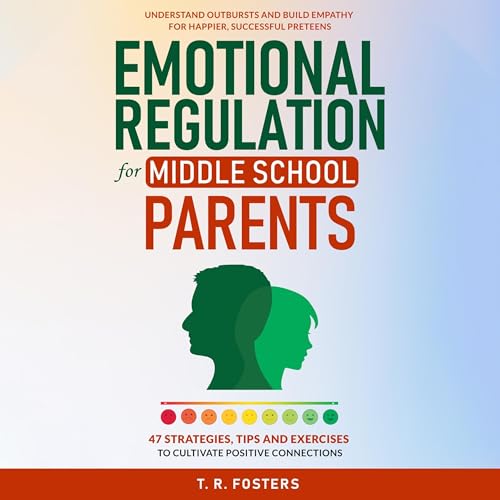
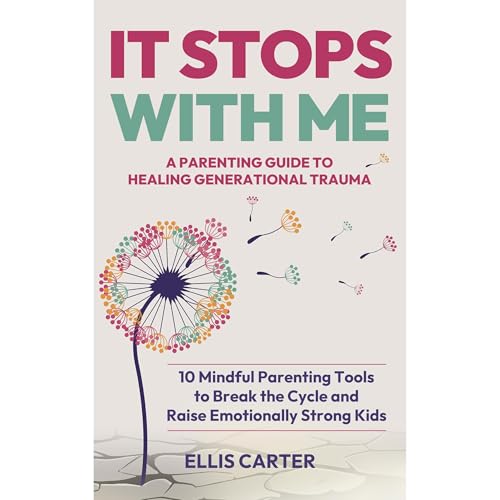
Emotional Regulation for Parents: Actionable Strategies and Mindfulness Techniques to Understand Triggers, Reduce Household Conflict, and Build Stronger Family Bonds
- Audible Books & Originals
- Relationships, Parenting & Personal Development
- Personal Development
2. Good Conflict vs. Harmful Conflict — Knowing the Difference
Not all arguments are created equal, and understanding the distinction is the single most useful thing you can take from this article.
Psychologist Dr. John Gottman of the Gottman Institute has spent decades studying couple conflict and identifies four behaviours — contempt, criticism, defensiveness, and stonewalling — as the most destructive patterns, both for relationships and for children who observe them. Of these, contempt (eye-rolling, mockery, dismissiveness) is the single strongest predictor of harm.
Constructive conflict looks like:
Destructive conflict looks like:

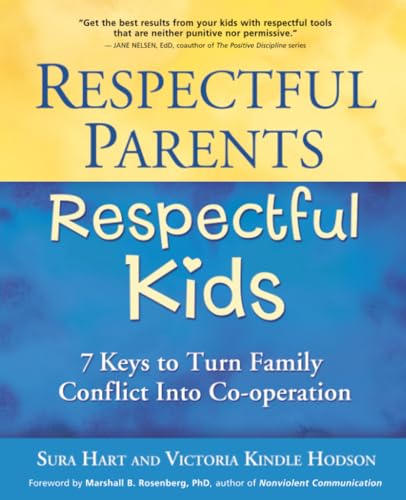
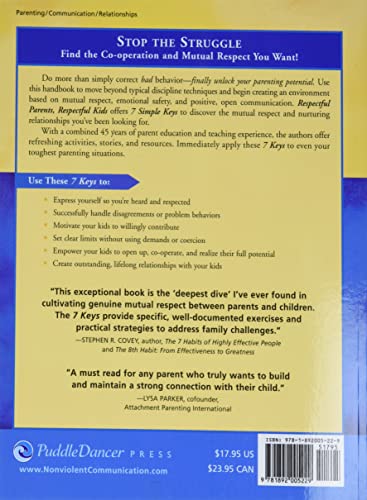
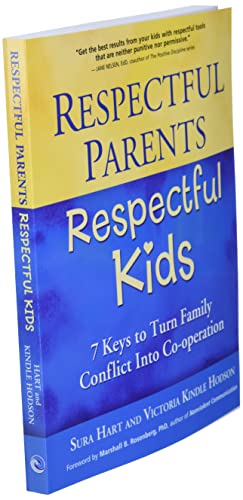
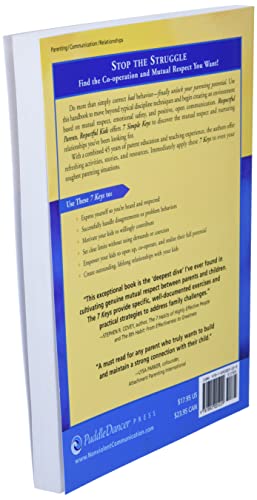
Respectful Parents, Respectful Kids: 7 Keys to Turn Family Conflict into Cooperation
- Relationships
- Conflict Management
- Image Unavailable Image not available forColor:
3. Age-by-Age Guide: How Conflict Lands at Every Stage
Newborns and infants (0–12 months)
Babies cannot understand words, but they are exquisitely sensitive to vocal tone, facial expression, and the stress hormones that circulate in a caregiver's body. Elevated cortisol in a breastfeeding parent, for instance, can transfer through breast milk. Keep arguments away from feeding and settling times, and prioritise physical calm when you're holding your baby.
Toddlers and preschoolers (1–5 years)
This age group is egocentric by developmental design — they often assume they caused the argument. Keep disagreements brief, avoid dramatic emotional displays, and always close the loop verbally: "Mummy and Daddy were cross with each other, not with you. We love you and we sorted it out."
Primary school age (6–12 years)
Children at this stage are developing theory of mind and will actively try to analyse, fix, or take sides in parental conflict. They may also begin to self-blame or catastrophise. The American Academy of Pediatrics (AAP) notes that children in this age range are particularly vulnerable to internalising problems (anxiety, depression) when exposed to chronic unresolved conflict.

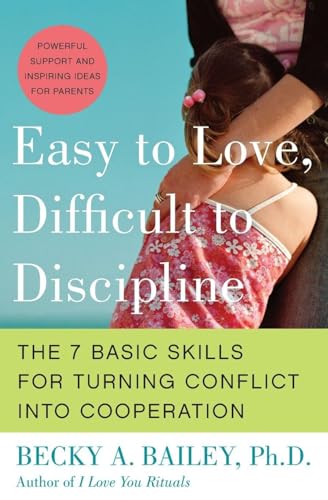
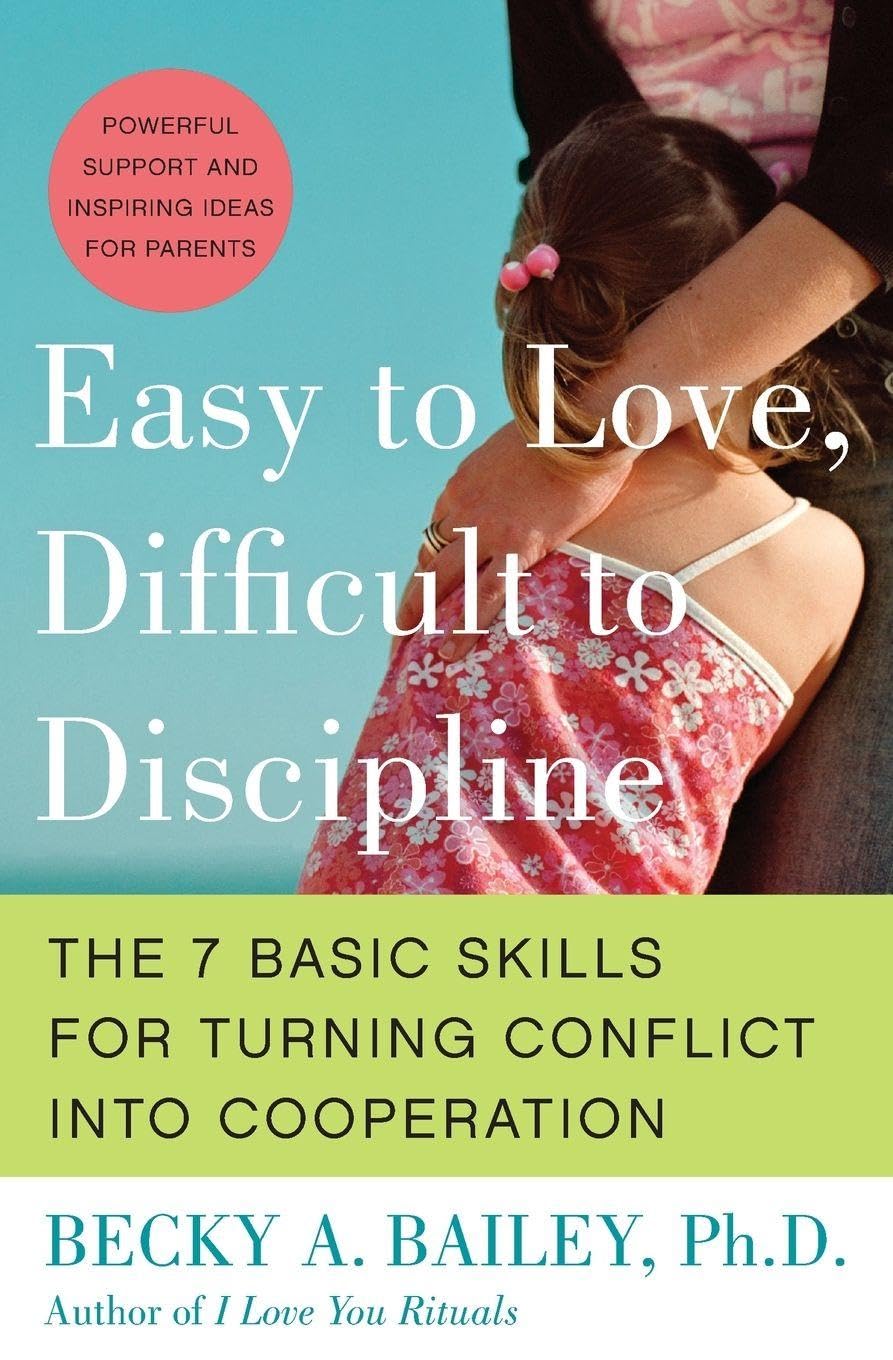


Easy to Love, Difficult to Discipline: The 7 Basic Skills for Turning Conflict into Cooperation Eas
- Relationships
- Conflict Management
- Image Unavailable Image not available forColor:
4. The Hidden Curriculum: What Children Learn From How You Fight
Here is the reframe that changes everything: your child is in a masterclass on human relationships every time conflict unfolds in your home. The question is what that class is teaching.
When you argue respectfully and resolve disagreements, your child learns:
When conflict is chronic, contemptuous, or unresolved, children learn the opposite — and those lessons stick. A 2019 meta-analysis in Clinical Psychology Review found that children from high-conflict homes showed significantly elevated rates of aggression, anxiety, and peer relationship difficulties, with effects persisting into adolescence.
The implication is empowering: you don't need to be a perfect, never-arguing couple. You need to be a repairing couple — one who demonstrates that ruptures in relationships can be mended.


Peaceful Parent, Happy Kids: How to Stop Yelling and Start Connecting (The Peaceful Parent Series)
- Relationships
- Conflict Management
- Image Unavailable Image not available forColor:
5. Practical Strategies for Arguing Better in Front of Your Kids
Knowing the theory is one thing. Here are concrete, evidence-informed tactics you can implement immediately.
Before the argument escalates
During the disagreement
After the argument
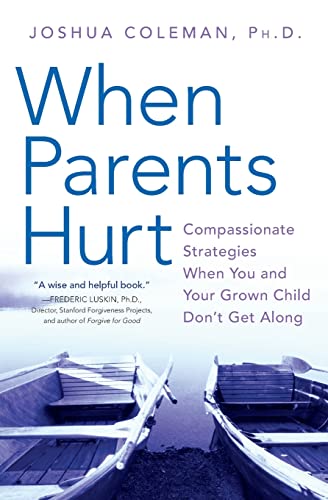

When Parents Hurt: Compassionate Strategies When You and Your Grown Child Don't Get Along
- Relationships
- Conflict Management
- Image Unavailable Image not available forColor:
6. When to Seek Help — Red Flags and Support Pathways
Some conflict patterns are beyond the reach of self-help strategies, and recognising that is itself an act of good parenting.
Seek professional support — for yourself, your relationship, or your child — if you notice any of the following:
The NHS and the American Academy of Pediatrics both recommend family therapy as a first-line support for children showing behavioural or emotional changes linked to household conflict. In the UK, organisations such as Relate offer both couple counselling and child-focused family therapy. In the US, the AAP's HealthyChildren.org directory can help you find a board-certified developmental-behavioural paediatrician.
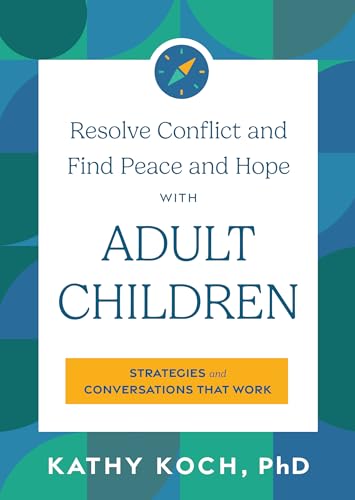
Resolve Conflict and Find Peace and Hope with Adult Children: Strategies and Conversations that Work
- Religion & Spirituality
- Christian Books & Bibles
- Christian Living
7. Conflict Styles Compared: A Parent's At-a-Glance Guide
| Conflict Style | Typical Behaviours | Impact on Children | Visible Resolution? | Recommended Resource | Approx. Cost |
|---|---|---|---|---|---|
| Constructive / Respectful | Calm voices, "I" statements, stays on topic | Builds conflict-resolution skills, models empathy | Yes — child sees repair | Respectful Parents, Respectful Kids | $16 |
| Avoidant / Suppressed | Arguments hidden, cold silences, tension unspoken | Child senses tension but can't process it; may self-blame | No — child sees only aftermath | Peaceful Parent, Happy Kids | $8 |
| Escalating / Volatile | Raised voices, criticism, occasional contempt | Elevated anxiety; child may try to intervene | Rarely | Easy to Love, Difficult to Discipline | $9 |
| High-Conflict / Hostile | Name-calling, contempt, threats, physical aggression | Significant harm; linked to anxiety, depression, aggression | No | Emotional Regulation for Parents | Free |
| Child-Involving | Child used as ally, messenger, or confidant | Role confusion, loyalty conflicts, parentification | No | When Parents Hurt | $13 |
Expert Insights
The Bottom Line
No family is conflict-free, and pretending otherwise sets an impossible standard — and teaches children that disagreement is shameful rather than manageable. The research is clear and, honestly, a little reassuring: your children don't need you to be perfect. They need to see that two people who love each other can clash, feel frustrated, and still find their way back to each other with kindness.
The argument isn't the problem. The silence after it — the unrepaired rupture, the lingering tension nobody names — that's what children carry with them. So argue if you must. Just make sure they see you come back together.
If this guide was useful, save it for the next time that moment of panic hits — and share it with a parent who needs to hear that they haven't broken anything.
Sources & References
- Cummings, E.M. & Davies, P.T. "Marital conflict and children: An emotional security perspective." Guilford Press, 2010.
- Graham, A.M. et al. "Maternal Systemic Inflammation During Pregnancy is Associated with Neonatal Brain Development." Psychological Science, 2013. Oregon Health & Science University.
- Rhoades, K.A. "Children's responses to interparental conflict: A meta-analysis of their associations with child adjustment." Child Development, 2008.
- Buehler, C. et al. "Interparental conflict and early adolescent adjustment: Two investigative approaches." Journal of Marriage and Family, 1998.
- Davies, P.T. & Cummings, E.M. "Marital conflict and child adjustment: An emotional security hypothesis." Psychological Bulletin, 1994.
- Gottman, J.M. & Silver, N. "The Seven Principles for Making Marriage Work." Harmony Books, 1999. Gottman Institute.
- American Academy of Pediatrics (AAP). "Emotional Wellness: Helping Children Thrive." HealthyChildren.org, 2022. https://www.healthychildren.org
- NHS. "Relationship problems and family conflict." NHS.uk, 2023. https://www.nhs.uk/mental-health/feelings-symptoms-behaviours/feelings-and-symptoms/relationship-problems/
- Markham, L. "Peaceful Parent, Happy Kids." Perigee Books, 2012.
- Relate (UK). "Couple counselling and family support." Relate.org.uk. https://www.relate.org.uk
Frequently Asked Questions
Is it ever okay to argue in front of a baby?
What if my child starts crying during an argument?
Is it worse to argue in front of toddlers than older children?
My partner and I disagree about everything. Is that harming our kids?
Should we always resolve arguments in front of our children?
At what point should I be worried about my child's reaction to conflict?
Can reading parenting books actually help with conflict in front of kids?
Was this helpful?
Thanks — your feedback helps us pick what to write next.