The Teen Brain: Why Your Teenager Literally Thinks Differently
Between ages 13 and 17, your teenager's brain, body, and social world are all being rewired simultaneously — understanding what's typical (and what's not) helps you parent with confidence instead of alarm.

In this article
Your 14-year-old slams the door, your 16-year-old can't wake up before noon, and your 13-year-old seems to have forgotten you exist. Sound familiar? Here's the reassuring part: almost all of it is biology, not bad parenting.
According to the World Health Organization, adolescents (ages 10–19) make up roughly 16% of the global population, and the developmental changes packed into the teen years are second in intensity only to infancy. The brain alone undergoes more structural change between 13 and 17 than at almost any other point in life.
This guide will help you understand:
1. The Teen Brain: Why Your Teenager Literally Thinks Differently
The single most important thing to know about teen development is that the brain is a construction zone from 13 to 17 — and beyond.
The prefrontal cortex, responsible for impulse control, planning, weighing consequences, and regulating emotions, is the last region of the brain to mature. Neuroscience research consistently shows it isn't fully developed until around age 25. In the meantime, your teenager relies heavily on the amygdala — the brain's emotional alarm system — to process decisions. That's why a minor embarrassment can feel catastrophic, and why "just calm down" is genuinely unhelpful advice.
What This Looks Like at Home
- Risk-taking: Novelty-seeking behaviour spikes in early adolescence. This is adaptive — teens are biologically driven to explore beyond the family unit. - Emotional intensity: Big feelings hit fast and hard, before the "thinking brain" can moderate them. - Poor forward planning: Forgetting homework, losing track of time, and underestimating consequences aren't laziness — they reflect genuine neurological immaturity.
For a deep dive into the neuroscience, The Teenage Brain by Frances E. Jensen is one of the most clinically grounded parent resources available.




The Teenage Brain: A Neuroscientist's Survival Guide to Raising Adolescents and Young Adults
- Science & Math
- Biological Sciences
- Developmental Biology
2. Physical Development: Puberty Timelines and What's Normal
Physical development during the teen years varies enormously — and that variation is itself normal.
The American Academy of Pediatrics (AAP) notes that puberty in girls typically begins between ages 8–13 and in boys between 9–14, with the process spanning several years. By 13, most girls are mid-puberty; by 17, most have completed it. Boys often lag 1–2 years behind.
Key Physical Milestones by Sex
For girls (13–17):
For boys (13–17):
When to Check In With Your Paediatrician
- No signs of puberty in a girl by age 13 or a boy by age 14 - Periods that are extremely irregular or absent after 2 years of onset - Significant distress about physical changes (which may signal body image concerns)
3. Emotional and Social Development: Identity, Peers, and the Push for Independence
Between 13 and 17, your teenager is answering one of the most fundamental human questions: Who am I?
Developmental psychologist Erik Erikson described this stage as Identity vs. Role Confusion — the central task is experimenting with values, beliefs, relationships, and roles to build a stable sense of self. This is why teens seem to change their entire personality every six months. They're supposed to.
Peer Relationships Take Centre Stage
The shift from family-centred to peer-centred connection is neurologically driven. Peer approval activates the brain's reward circuits more powerfully in adolescence than at any other life stage, according to research published in Developmental Science.
For parents of teenage girls navigating these transitions, Untangled by Lisa Damour maps the seven key social and emotional shifts with exceptional clarity.




Untangled: Guiding Teenage Girls Through the Seven Transitions into Adulthood
- Parenting & Relationships
- Image Unavailable Image not available forColor:
- Publisher : Ballantine Books
4. Cognitive Development: Thinking in Shades of Grey
Early teens think in concrete, black-and-white terms. By 16–17, most are developing genuine abstract reasoning — and it changes everything.
Swiss developmental psychologist Jean Piaget called the stage beginning around age 12 Formal Operational Thinking: the ability to reason hypothetically, consider multiple perspectives, and think about thinking itself (metacognition). This is why older teens suddenly want to debate you, question rules, and challenge assumptions — their brains are genuinely capable of it for the first time.
Cognitive Milestones to Watch For
Early teens (13–14):
Mid teens (15–16):
Late teens (16–17):


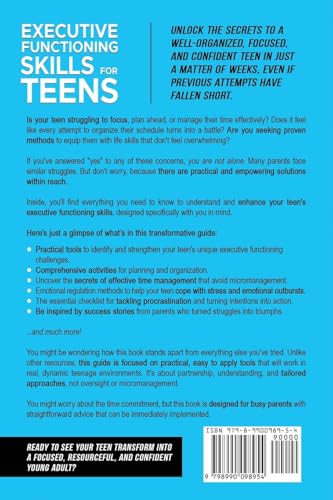
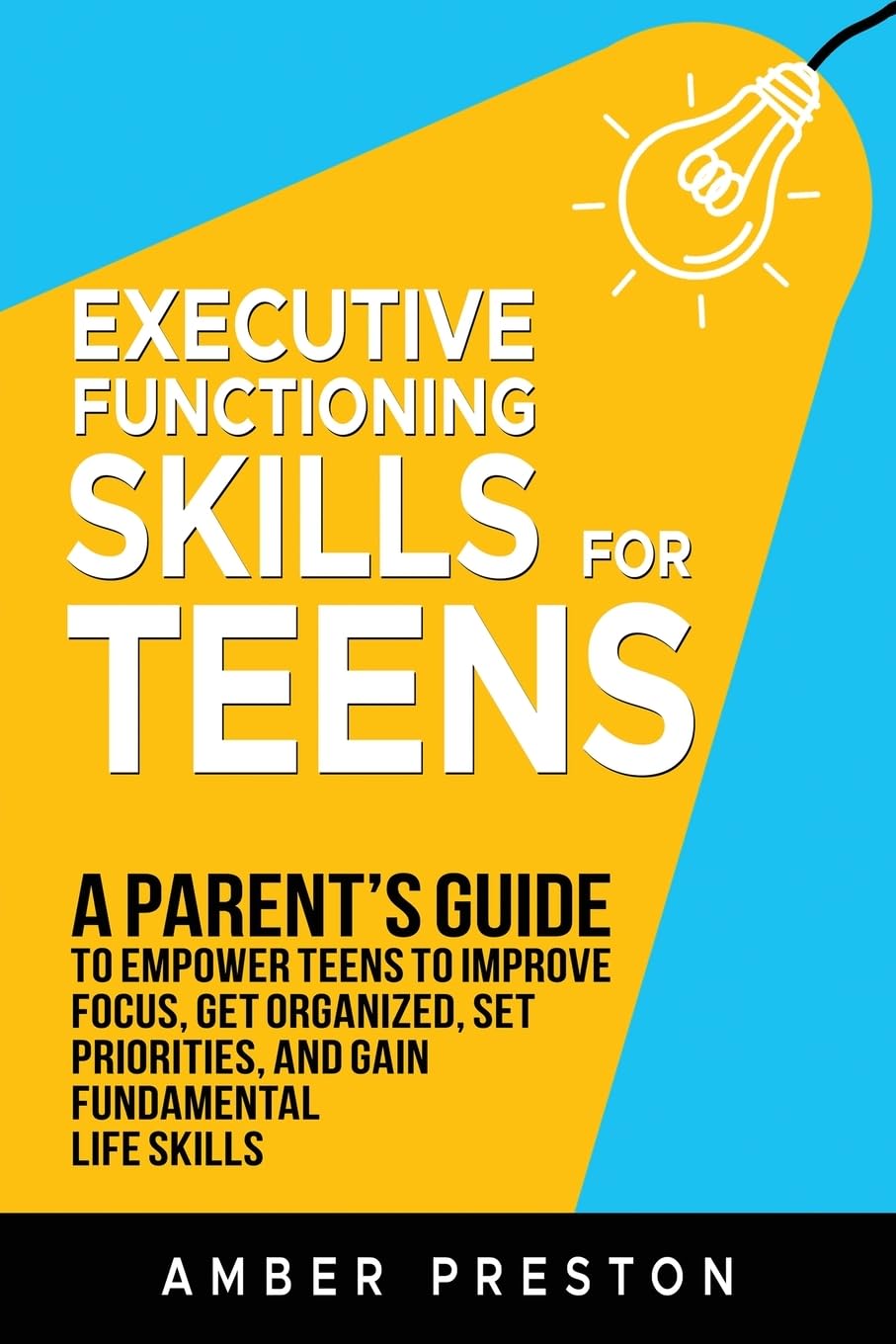
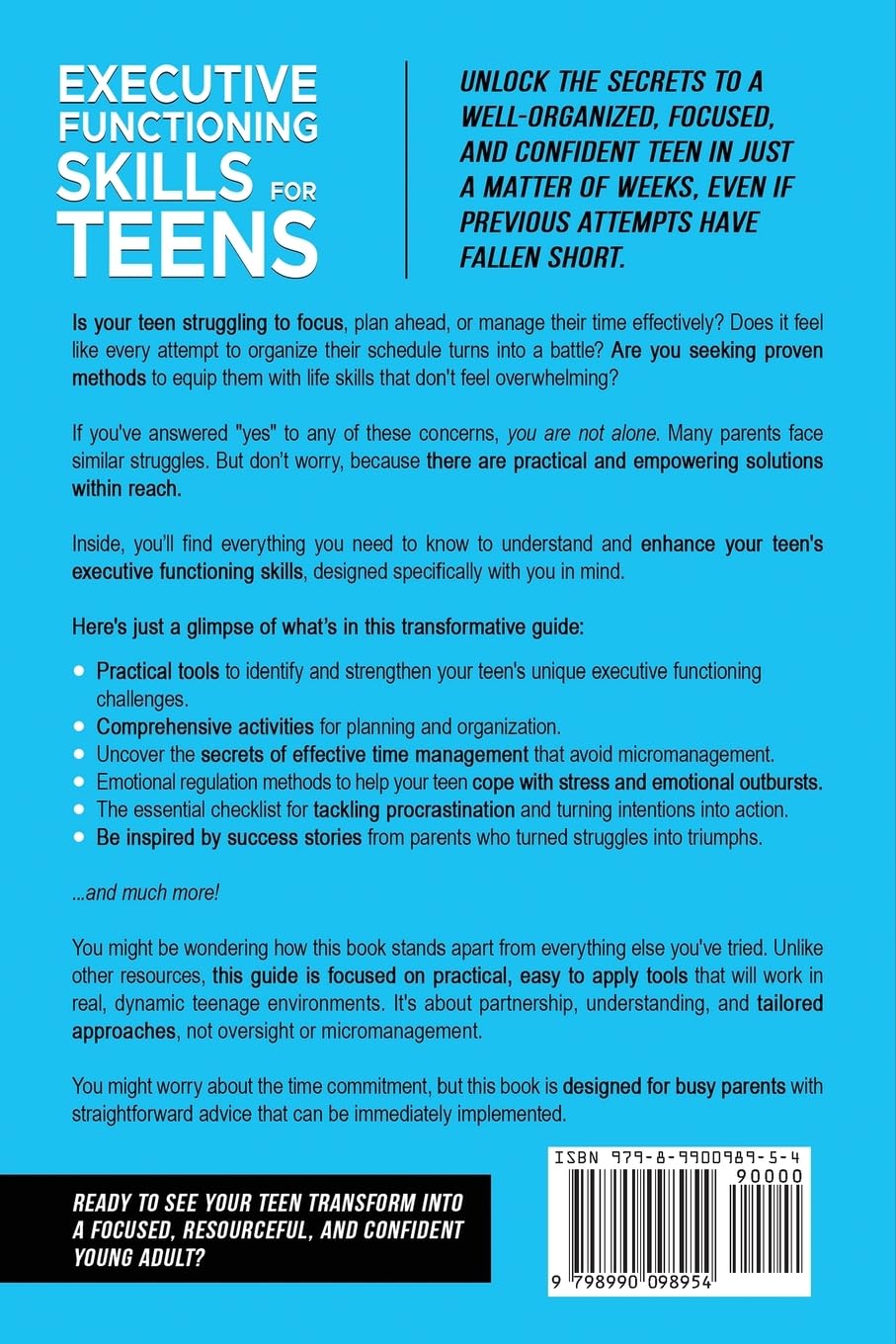
Executive Functioning Skills for Teens: A Parent's Guide to Empower Teens to Improve Focus, Get Organized, Set Priorities, and Gain Fundamental Life Skills
- Parenting & Relationships
- Family Relationships
- Parent & Adult Child
The Executive Functioning Skills for Teens guide is a practical toolkit for parents who want to actively support this cognitive growth rather than just wait for it.
5. Sleep: The Most Underrated Milestone of Adolescence
Your teenager is not lazy — their circadian rhythm has genuinely shifted.
Research published by the American Academy of Sleep Medicine, and endorsed by the AAP, confirms that adolescents need 8–10 hours of sleep per night. Yet the CDC reports that more than 70% of high school students get less than 8 hours on school nights. The reason isn't just screens — a biological shift in melatonin release means teens naturally feel alert later in the evening and struggle to wake early.
What Chronic Sleep Deprivation Does to a Developing Teen
6. Leadership, Autonomy, and Building the Adult Within
By 16–17, healthy development isn't just about navigating turbulence — it's about building capability.
Teens who are given graduated autonomy — increasing responsibility matched to demonstrated readiness — develop stronger self-efficacy, better decision-making, and healthier adult relationships. This is the developmental science behind why micromanaging a teenager often backfires: it signals distrust and removes the practice opportunities the brain needs.
Milestones of Growing Independence



Developing Teen Leadership: A Practical Guide for Youth Group Advisors, Teachers and Parents
- Health, Fitness & Dieting
- Psychology & Counseling
- Adolescent Psychology
Developing Teen Leadership offers structured, practical approaches for parents, teachers, and youth advisors who want to nurture these emerging capacities intentionally.
7. Red Flags vs. Normal Teen Behaviour: A Parent's Honest Guide
Not everything that looks alarming is a crisis — but some things that look like "just teen stuff" genuinely aren't.
Get Out of My Life, but First Could You Drive Me & Cheryl to the Mall has been a trusted parent resource for decades precisely because it names this distinction with humour and honesty. Knowing the difference saves you from both over-reacting and under-reacting.
Normal (Developmentally Expected)
Red Flags That Warrant Professional Support
Teen Development at a Glance: What to Expect, When
| Development Area | Early Teen (13–14) | Mid Teen (15–16) | Late Teen (16–17) | Recommended Resource |
|---|---|---|---|---|
| Brain & Impulse Control | High impulsivity, emotion-driven | Improving regulation, still inconsistent | Stronger planning, better self-control | The Teenage Brain |
| Physical Development | Puberty mid-to-late stage | Mostly complete for girls; ongoing for boys | Near-complete for most | — |
| Emotional / Social | Identity experimentation, peer focus | Deeper friendships, romantic relationships | More stable self-concept | Untangled |
| Cognitive Thinking | Concrete → early abstract | Consistent abstract reasoning | Metacognition, ethical reasoning | Executive Functioning Skills for Teens |
| Independence | Seeks autonomy, resists rules | Negotiates boundaries | Goal-setting, future planning | Developing Teen Leadership |
| Sleep Needs | 8–10 hrs (often 6–7 actual) | 8–10 hrs (often 6–7 actual) | 8–10 hrs (often 6–7 actual) | Get Out of My Life… |
Expert Insights
Conclusion
Parenting a teenager is one of the most disorienting experiences in family life — precisely because it's working. Your teen is pulling away because they're supposed to, arguing because their brain can finally hold complex ideas, and sleeping late because biology says so. None of that makes it easy. But understanding the developmental science behind the behaviour transforms it from a personal affront into a process you can actually support.
The years between 13 and 17 are not a problem to be managed — they're a metamorphosis to be witnessed. Stay present, stay informed, and trust that the connection you're building now, even imperfectly, is the foundation your teenager will stand on for the rest of their life.
Save this guide, share it with your co-parent, and revisit it when the door slams a little too hard.
Sources & References
- World Health Organization. "Adolescent Health." 2023. https://www.who.int/health-topics/adolescent-health
- American Academy of Pediatrics. "Puberty: Adolescent Female" and "Puberty: Adolescent Male." HealthyChildren.org. 2022. https://www.healthychildren.org
- American Academy of Pediatrics. "AAP Supports Childhood Mental Health Screening at Annual Visits." 2022. https://www.aap.org
- American Academy of Sleep Medicine / AAP. "School Start Times for Adolescents." Pediatrics. 2014; 134(3):642–649.
- Centers for Disease Control and Prevention. "Sleep in Middle and High School Students." 2023. https://www.cdc.gov/healthyschools/sleep.htm
- Jensen, Frances E., and Nutt, Amy Ellis. The Teenage Brain: A Neuroscientist's Survival Guide to Raising Adolescents and Young Adults. HarperCollins, 2015.
- Blakemore, Sarah-Jayne. Inventing Ourselves: The Secret Life of the Teenage Brain. PublicAffairs, 2018.
- Damour, Lisa. Untangled: Guiding Teenage Girls Through the Seven Transitions into Adulthood. Ballantine Books, 2016.
- Steinberg, Laurence. "A Social Neuroscience Perspective on Adolescent Risk-Taking." Developmental Review. 2008; 28(1):78–106.
- Troxel, Wendy. Sharing the Covers: Every Couple's Guide to Better Sleep. RAND Corporation research background. 2021.
- Erikson, Erik H. Identity: Youth and Crisis. W.W. Norton & Company, 1968.
- Piaget, Jean, and Inhelder, Bärbel. The Psychology of the Child. Basic Books, 1969.
Frequently Asked Questions
Is my 13-year-old's moodiness normal or a sign of depression?
Why does my teenager sleep until noon on weekends?
At what age should I expect my teen to make responsible decisions?
How much independence should I give my 15-year-old?
My teen has completely stopped talking to me. Should I be worried?
When should puberty be complete for my teenager?
How can I support my teen's executive functioning skills?
Was this helpful?
Thanks — your feedback helps us pick what to write next.